

International Self-Care Day Highlights New Approach to Self-Care and Burnout Prevention
Pleasure is not the opposite of health; it is a biomarker of vitality.
Dr. Erica Oberg's new book, Healthy Hedonism, challenges the belief that health, achievement, and productivity must be earned through deprivation.
Self-care has become another item on an already impossible to-do list: wake earlier, exercise harder, track more data, eat perfectly, answer every message, and somehow find time to relax. According to naturopathic doctor, researcher, and wellness expert Dr. Erica Oberg, that punishing approach may be one reason so many people are exhausted despite doing everything "right."
Timed to International Self-Care Day, observed each July 24 to emphasize that self-care matters 24 hours a day, seven days a week, Oberg is calling for a different model - one built around restorative pleasure rather than relentless self-improvement. The 2026 campaign places self-care at the forefront of prevention, recognizing the everyday choices that help prevent illness, support earlier detection, improve quality of life, and reduce unnecessary interventions.
The need extends far beyond personal wellness. Gallup's State of the Global Workplace 2026 reports that global employee engagement fell to 20 percent in 2025, the lowest level since 2020, with disengagement costing the world economy an estimated $10 trillion in lost productivity. The World Health Organization also estimates that depression and anxiety cost 12 billion working days and $1 trillion in lost productivity each year.
"These numbers reflect more than a workplace problem," said Oberg. "They point to people whose nervous systems rarely receive a true signal of safety, restoration, or satisfaction. Self-care is not time stolen from productive life. It is part of what makes sustained energy, creativity, sound judgment, and meaningful performance possible."
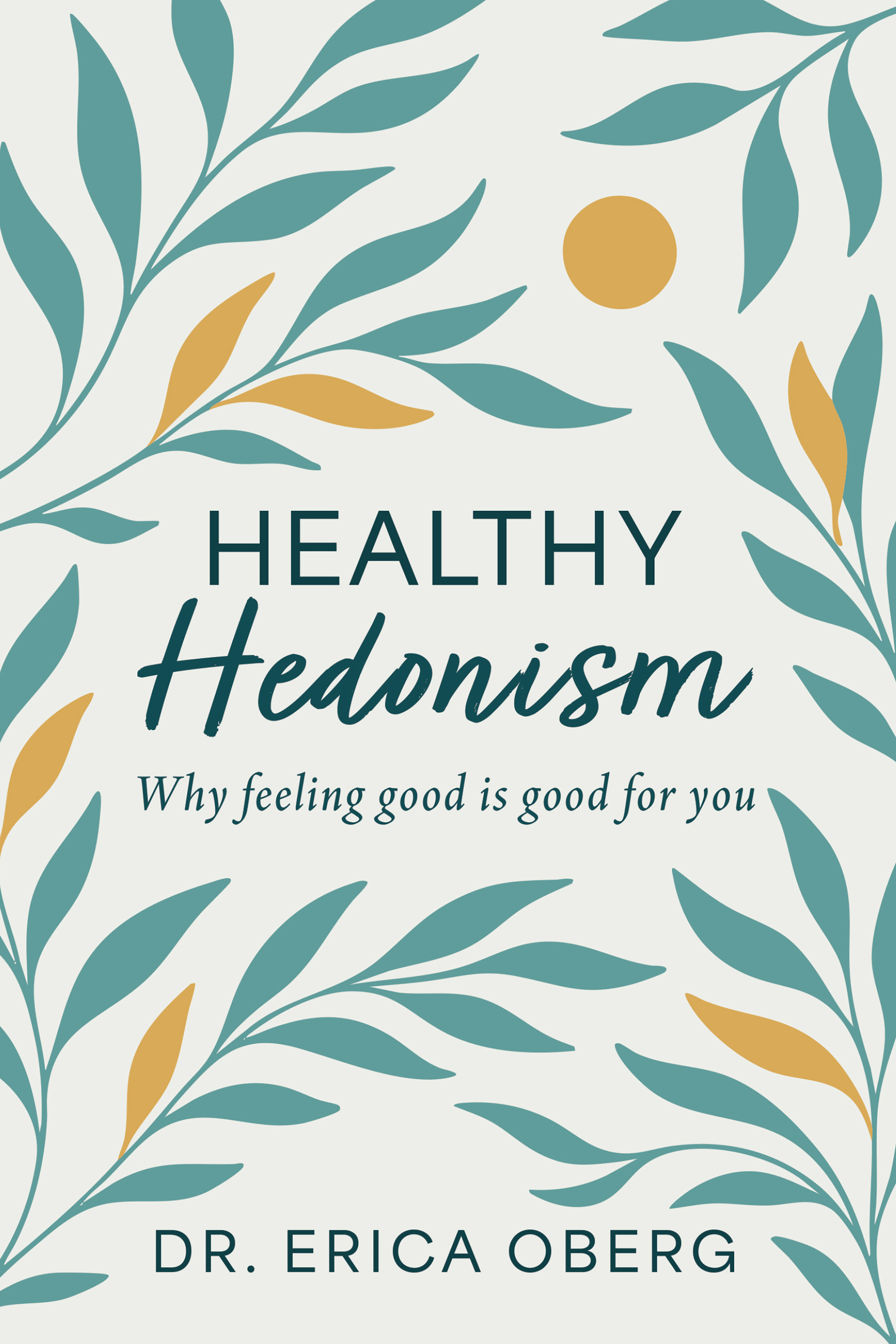
In her new book, Healthy Hedonism: Why Feeling Good Is Good for You!, Oberg makes a science-informed case for reclaiming pleasure as an essential component of health. Drawing on more than two decades in integrative medicine, clinical research, medical education, and personalized patient care, she distinguishes nourishing pleasures - such as movement, nature, laughter, creativity, touch, restful sleep, and genuine connection - from numbing behaviors that offer quick relief but leave people more depleted.
"Pleasure is not the opposite of health; it is a biomarker of vitality," Oberg writes. Her approach is not a license for excess. It is a framework for noticing which choices expand energy, connection, and resilience - and which flatten them.
Healthy Hedonism offers a practical "Pleasure Prescription" designed for overloaded lives. Oberg recommends beginning with small, repeatable actions: a 10-minute walk after a meal; one screen-free meal enjoyed through the senses; a slow exhale before opening email or entering a meeting; five minutes of creative play; a consistent digital sunset before sleep; or a recurring appointment for sunlight, movement, friendship, or rest. The goal is to transform routine into ritual so that self-care becomes sustainable rather than another standard people fail to meet.
This distinction matters: numbing is not the same as renewal. Endless scrolling, overwork, overeating, and overdrinking may briefly distract from stress, while nourishing pleasure returns energy, deepens connection, and helps people reenter their responsibilities with greater presence.
The book also connects self-care to professional success. Enjoyable movement is easier to repeat. Deliberate rest supports clearer thinking. Meaningful connection strengthens resilience. Boundaries protect attention. Small rituals create reliable transitions between effort and recovery. Rather than treating joy as a reward that comes after the work is finished, Oberg argues that joy helps make excellent work possible.
Oberg has practiced integrative and natural medicine since 2003. She earned her doctorate in naturopathic medicine from Bastyr University, completed an NIH fellowship at the University of Washington, served as founding medical director of Bastyr University California, conducted a decade of NIH-funded research and clinical trials, and has published more than 30 peer-reviewed papers. Her La Jolla concierge practice combines advanced testing, nutrition and lifestyle medicine, and individualized treatment planning.
Healthy Hedonism invites readers to stop white-knuckling wellness and begin building lives they genuinely want to inhabit - because self-care that feels punishing rarely lasts, while self-care that restores can become second nature.
Healthy Hedonism: Why Feeling Good Is Good for You! is available on Amazon. To learn more about Dr. Erica Oberg and her work, visit DrEricaOberg.com.
Jared Kuritz
STRATEGIES PR
+1 760-550-9850
email us here
Visit us on social media:
LinkedIn
Instagram
Facebook
YouTube
What is Naturopathy?
Legal Disclaimer:
EIN Presswire provides this news content "as is" without warranty of any kind. We do not accept any responsibility or liability for the accuracy, content, images, videos, licenses, completeness, legality, or reliability of the information contained in this article. If you have any complaints or copyright issues related to this article, kindly contact the author above.
